- SIR GANGA RAM HOSPITAL, Old Rajinder Nagar, Rajinder Nagar, Delhi, 110060
- Mon - Sat : 9:00 AM - 6:00 PM


Gallery Posts






Vascular trauma refers to injuries affecting arteries or veins due to accidents, falls, penetrating injuries, or medical procedures. These injuries can cause internal bleeding, reduced blood flow, or damage to the surrounding tissues. Prompt assessment and appropriate treatment are essential to help control bleeding and preserve circulation.
Consultant, Sir Ganga Ram Hospital
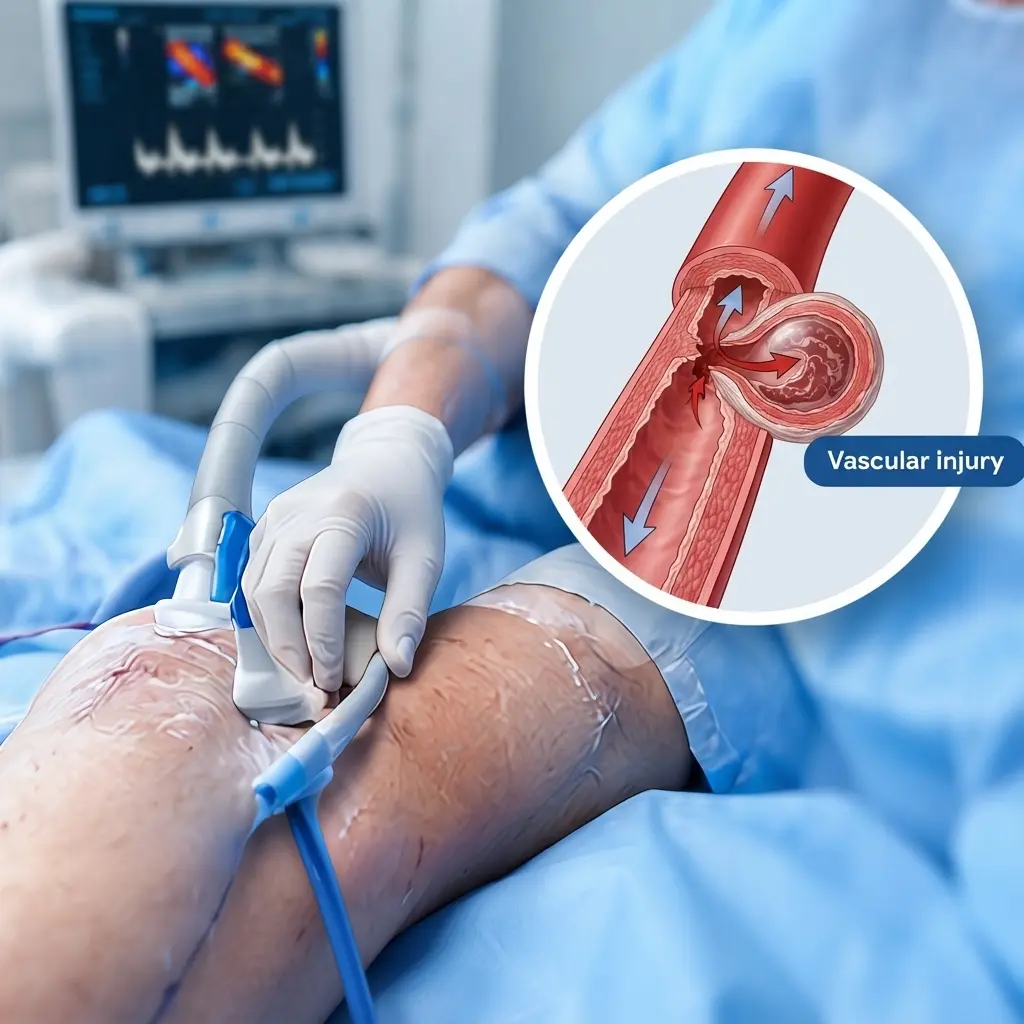
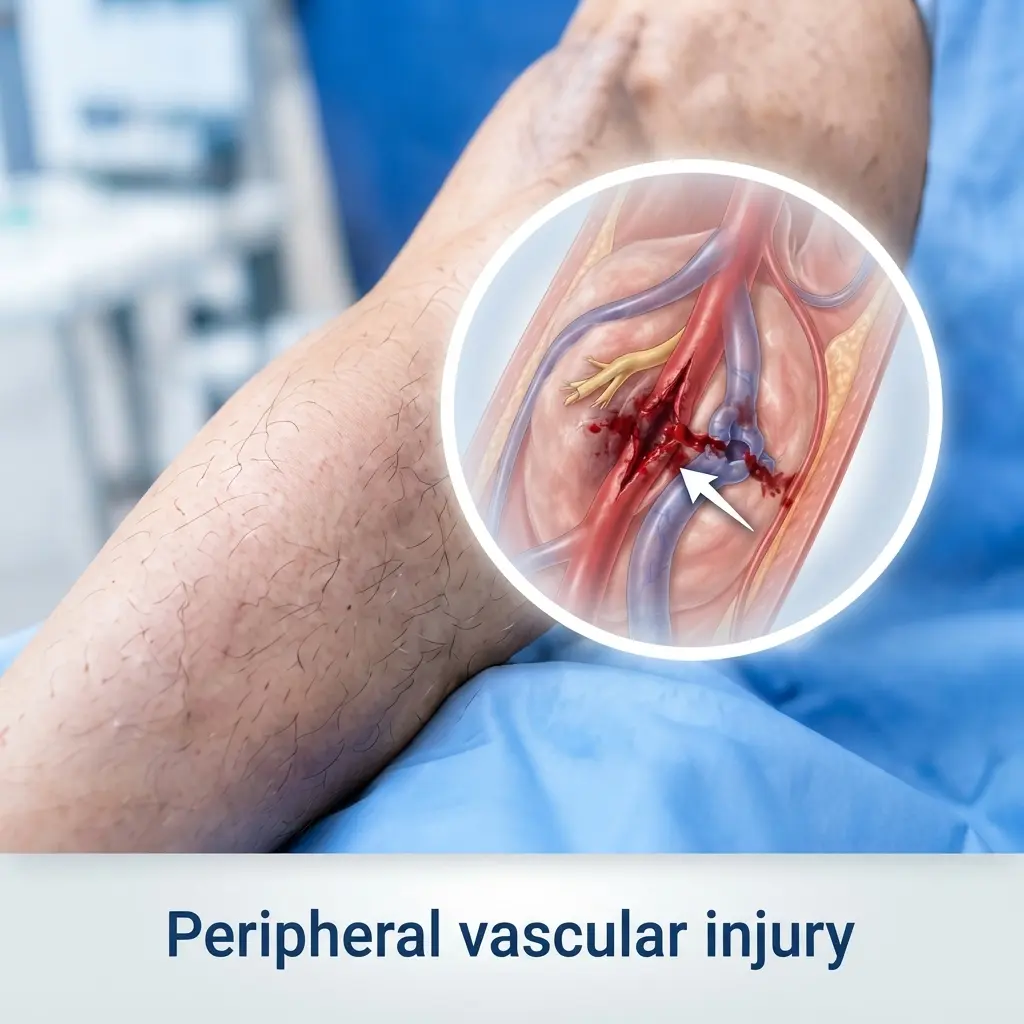
Peripheral vascular trauma involves damage to blood vessels outside the heart and major central vessels, particularly those supplying the arms, hands, legs, and feet. Such injuries may occur following road traffic accidents, workplace incidents, falls, sports injuries, penetrating wounds, or complications associated with medical procedures.Depending on the severity, an injured blood vessel may develop a tear, active bleeding, narrowing, blockage, a blood clot, or a pseudoaneurysm. Some injuries cause visible bleeding, while others lead to internal blood loss or reduced circulation to a limb.
Vascular injuries can occur in many situations, and symptoms depend on the affected blood vessel and the severity of the damage.
Common causes include:
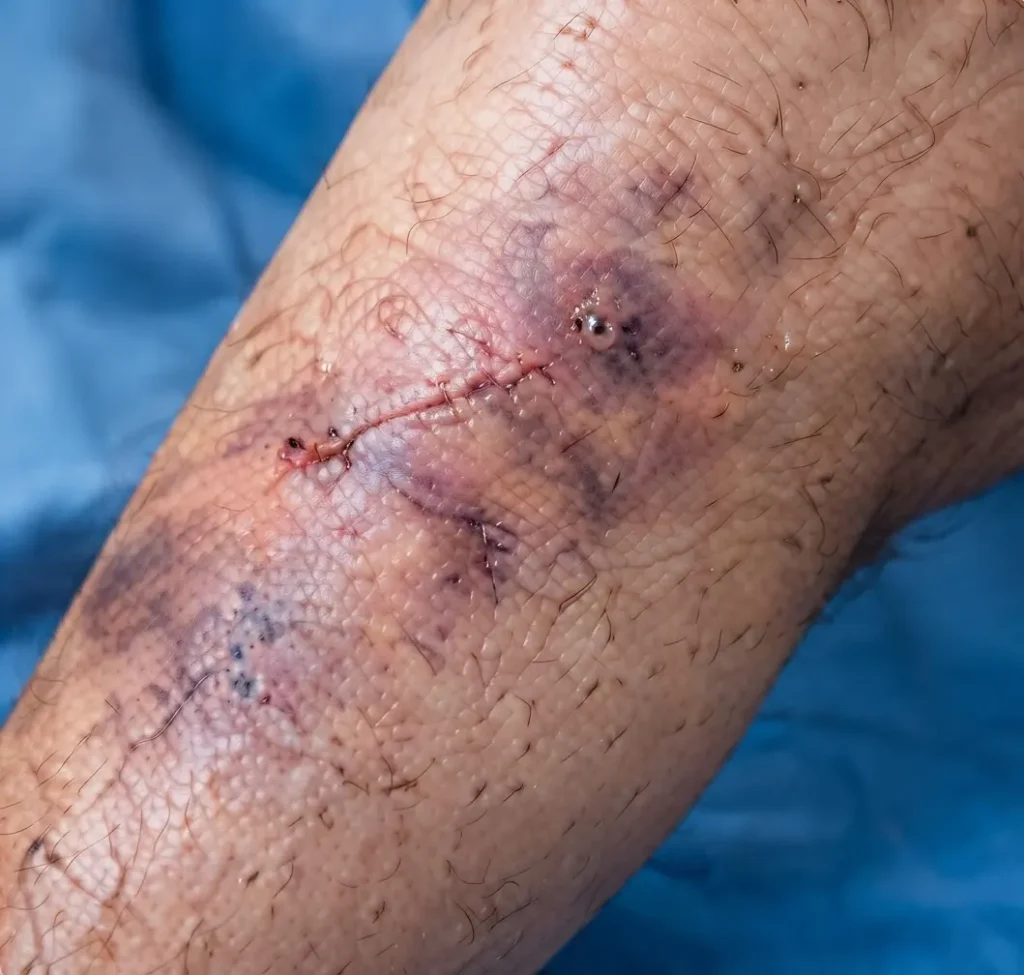
Specialist assessment may be required for patients with:
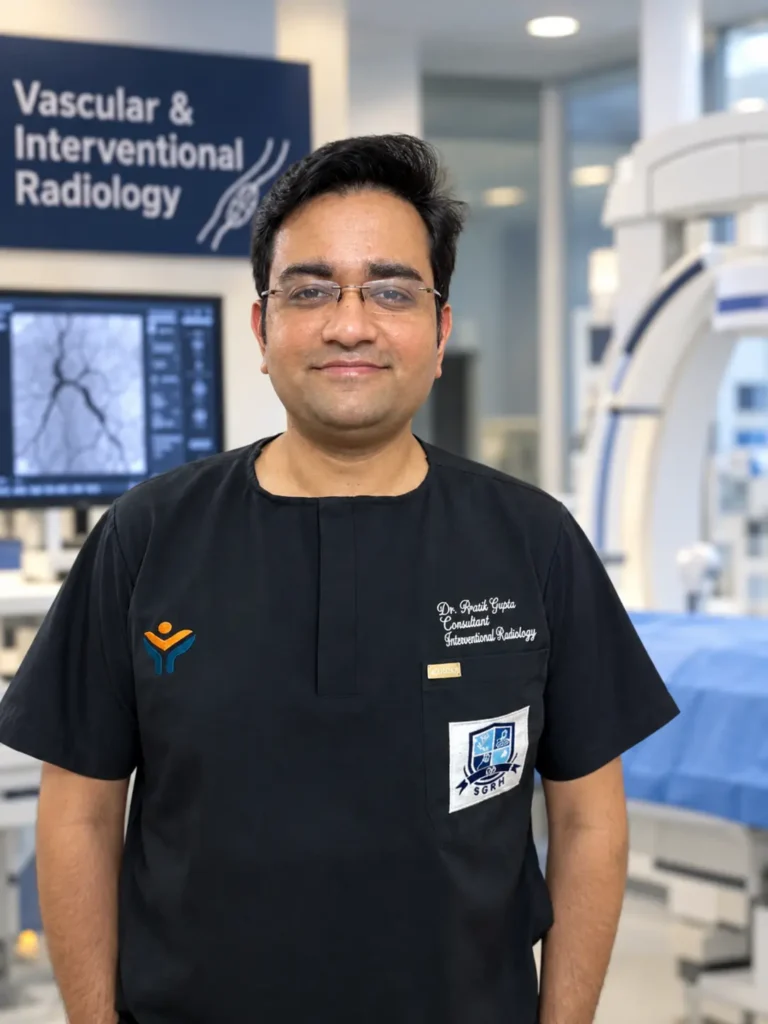
Dr. Anadi Gupta, MD, FVIR, EBIR, is a Consultant at Sir Ganga Ram Hospital with a focus on vascular and endovascular interventions.His areas of practice include peripheral vascular trauma management, peripheral pseudoaneurysm embolization, vascular malformation embolization and sclerotherapy, peripheral arterial disease angioplasty and stenting, DVT thrombectomy and catheter-directed thrombolysis, central venous angioplasty and stenting, and dialysis access interventions.
Dr. Anadi Gupta provides vascular and endovascular assessment for selected peripheral vascular injuries. Treatment options depend on the type of injury, the patient's condition, and the need to control bleeding or restore circulation.