- SIR GANGA RAM HOSPITAL, Old Rajinder Nagar, Rajinder Nagar, Delhi, 110060
- Mon - Sat : 9:00 AM - 6:00 PM


Gallery Posts






Specialized care for patients who may need protection from pulmonary embolism due to blood clots. IVC filter insertion and retrieval are image-guided procedures used in selected cases to help prevent blood clots from travelling from the deep veins of the legs or pelvis to the lungs.
Consultant, Sir Ganga Ram Hospital
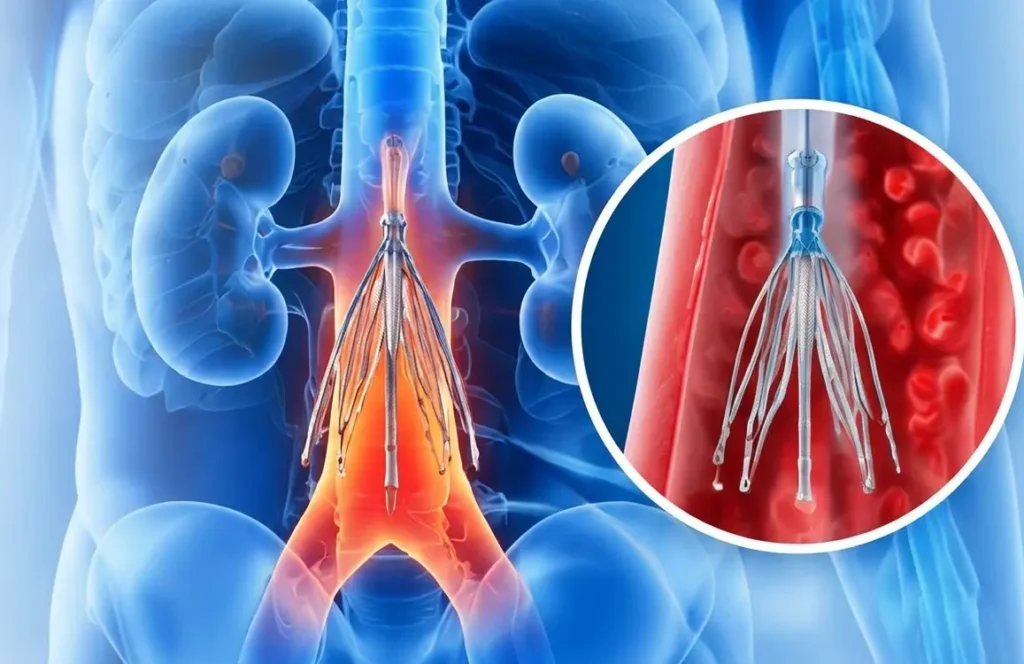
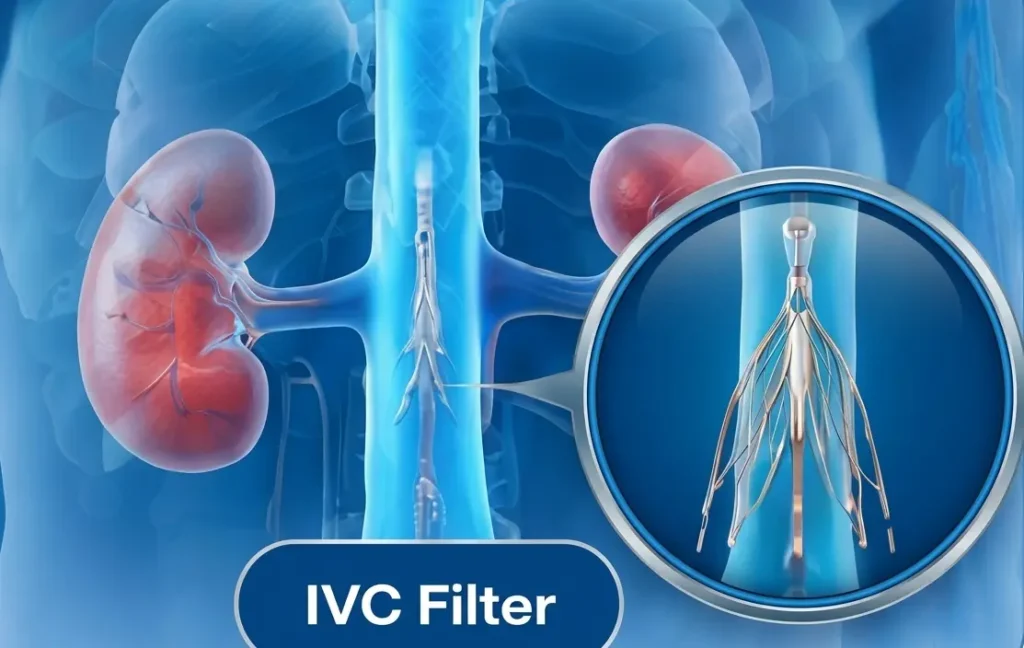
An inferior vena cava (IVC) filter is a small, matal device placed inside theinferior vena cava, the large vein that carries blood from the lower part of thebody back to the heart. The filter is designed to catch certain blood clots travelling from the deep veinsof the legs or pelvis before they reach the lungs, where they could cause apotentially life-threatening condition called puimonary embolism (PE).
An IVC filter may be considered for patients at risk of pulmonary embolism when anticoagulant treatment cannot be used or when specific clinical situations justify filter placement.

IVC filter insertion is a minimally invasive, image-guided procedure in which a filter is placed inside the inferior vena cava to reduce the risk of certain blood clots travelling to the lungs.

The doctor reviews the patient's medical history, current condition, blood clot history, medications, and relevant imaging reports.
The medical team explains the procedure, its potential benefits and risks, and any required preparation. Blood tests and imaging may be performed when indicated.
The procedure is generally performed through a small access point in a vein, commonly in the neck or groin. A catheter is guided into the inferior vena cava under imaging guidance, and the filter is released at the appropriate location.
The patient is monitored for potential complications and receives instructions about medications, follow-up appointments, and ongoing management of the underlying clotting condition.
When the risk that justified filter placement has passed, the filter should be reassessed for removal. Retrieving the filter, when possible, may help reduce long-term risks such as filter fracture, migration, or additional clot formation.
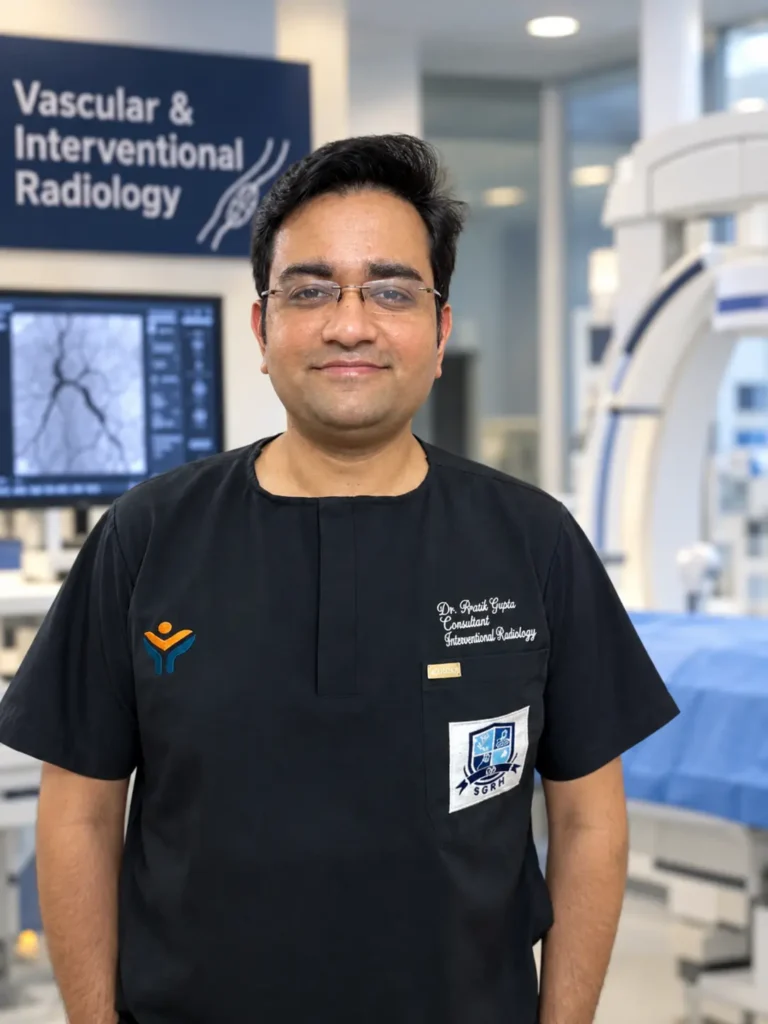
Dr. Anadi Gupta, MD, FVIR, EBIR, is a Consultant at Sir Ganga Ram Hospital with a focus on vascular and endovascular interventions.
His areas of practice include DVT thrombectomy and catheter-directed thrombolysis, IVC filter insertion and retrieval, peripheral arterial angioplasty and stenting, central venous interventions, varicose vein treatment, dialysis access procedures, and selected embolization treatments.
Discuss your condition, filter status, and available treatment options with Dr. Anadi Gupta, Consultant at Sir Ganga Ram Hospital.