ADVANCED VASCULAR & ENDOVASCULAR INTERVENTIONS

Varicose Vein Treatment

Effective, Minimally Invasive Care for Enlarged and Twisted Veins

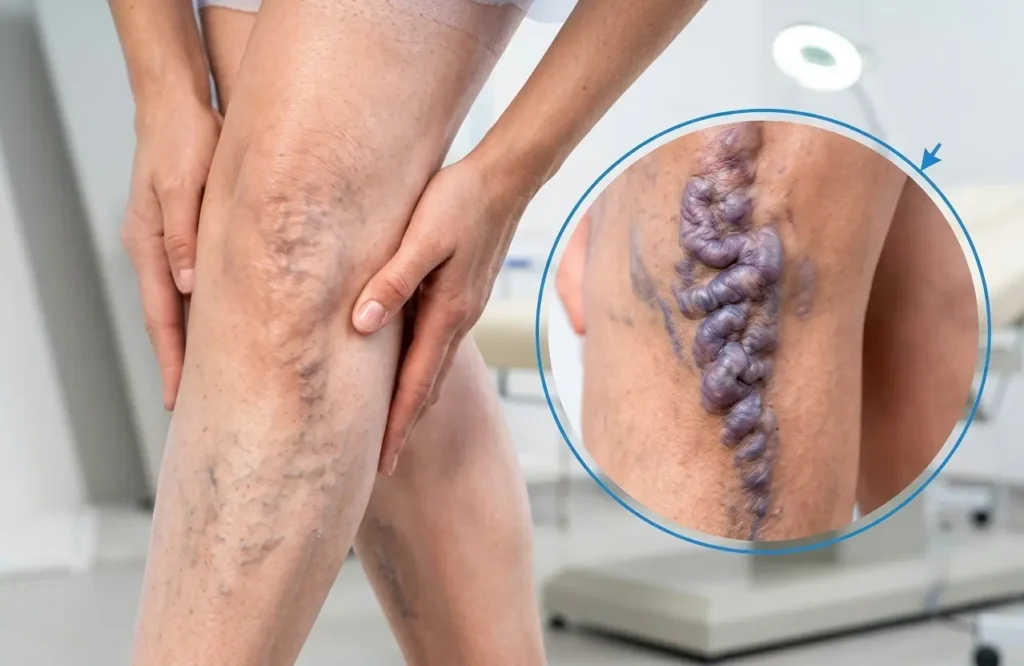
Varicose veins are enlarged, twisted veins that commonly develop in the legs when blood does not flow efficiently back toward the heart. They can cause visible veins, leg heaviness, aching, swelling, and skin changes.Dr. Anadi Gupta, MD, FVIR, EBIR, Consultant at Sir Ganga Ram Hospital, offers evaluation and minimally invasive treatment options for suitable patients, including endovenous laser ablation (EVLA), radiofrequency ablation (RFA), medical adhesive or glue treatment, and sclerotherapy.

Dr. Anadi Gupta, MD, FVIR, EBIR

Consultant, Sir Ganga Ram Hospital

Varicose Vein Treatment
Varicose Veins

Understanding Varicose Veins

What are varicose veins?

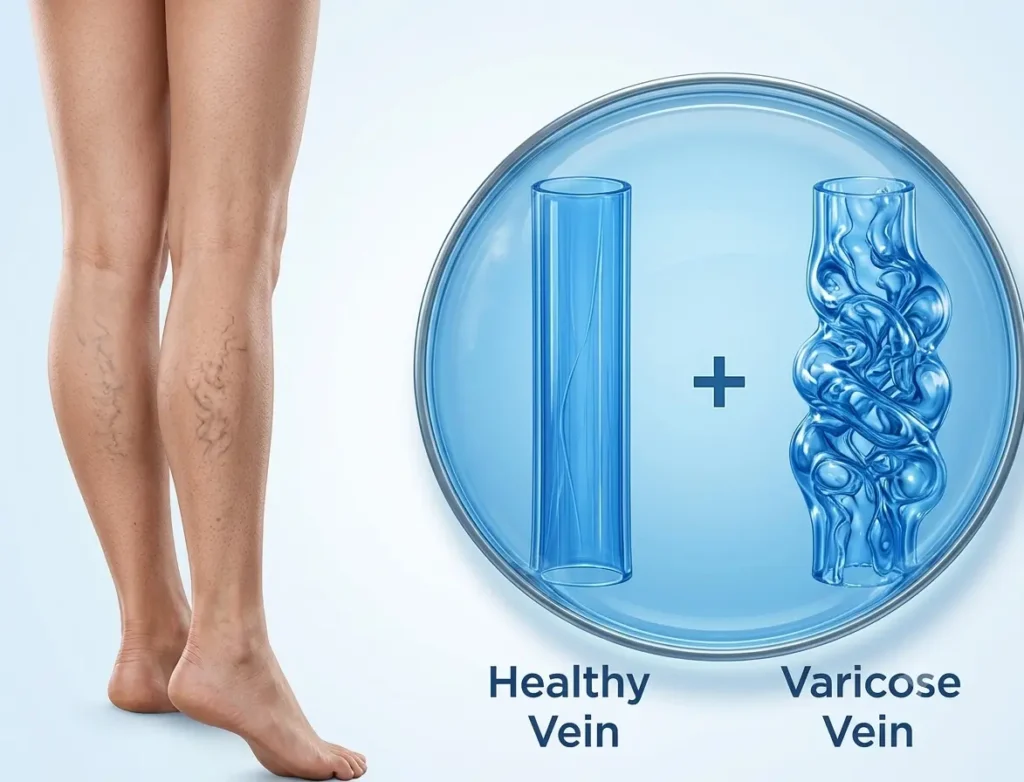
Varicose veins are enlarged, twisted veins that most often appear on the legs. Normally, small valves inside the veins help blood move upward toward the heart. When these valves become weak or damaged, blood can flow backward and collect in the veins, causing them to enlarge.This condition is associated with chronic venous insufficiency and may cause symptoms ranging from visible veins and mild discomfort to persistent swelling, skin changes, and venous ulcers.

Key Symptoms

IF YOU NOTICE THESE SIGNS

Common Signs and Symptoms

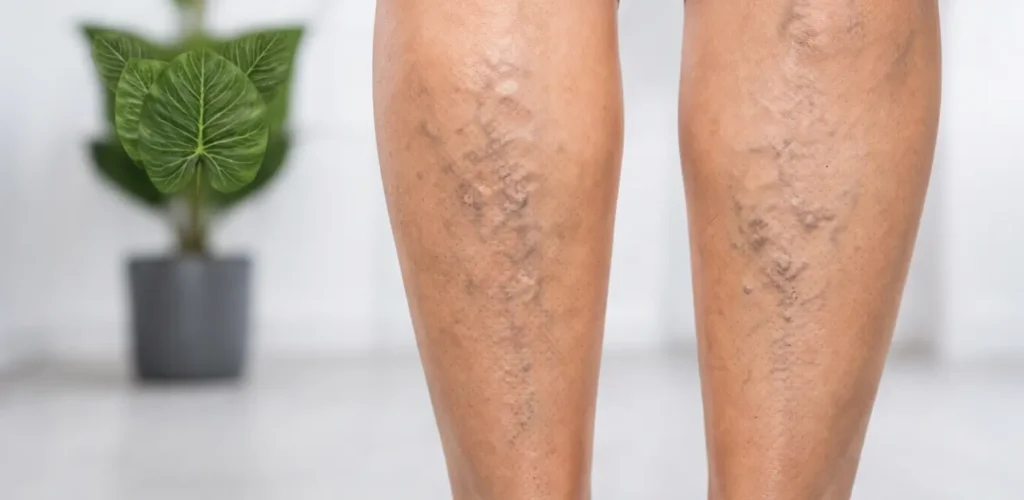
Varicose veins can affect people differently. Some patients notice visible veins without discomfort, while others experience symptoms that worsen after prolonged standing.
Varicose Veins Sign

What are the treatment options?

Minimally Invasive Treatments for Varicose Veins

Treatment is selected according to the affected veins, symptoms, and findings from venous Doppler ultrasound.

Endovenous Laser Ablation (EVLA)

EVLA uses laser energy delivered through a thin catheter inside the affected vein. The heat closes the targeted vein, allowing blood to reroute through healthier veins. It is commonly performed under ultrasound guidance.

Radiofrequency Ablation (RFA)

RFA uses controlled radiofrequency energy to heat and close the diseased vein. Like EVLA, it is a minimally invasive alternative to conventional vein-stripping surgery for suitable patients.

Medical Adhesive or Glue Treatment

This technique uses a specially designed medical adhesive to close the affected vein. It may be suitable for selected patients and can have different post-procedure compression requirements compared with thermal ablation.

Sclerotherapy

Sclerotherapy involves injecting a medical solution or foam into selected veins to make them close over time. It may be used for smaller varicose veins, branch veins, or residual veins after another treatment.

Who may benefit from varicose vein treatment?

Is Varicose Vein Treatment Right for You?

A specialist assessment may be helpful if you have:
  • Enlarged or twisted leg veins associated with pain or discomfort.
  • Persistent leg heaviness, aching, or swelling.
  • Symptoms that worsen after prolonged standing.
  • Skin darkening or other changes around the ankles.
  • A venous ulcer or a history of slow-healing wounds.
  • Varicose veins that bleed or cause recurrent inflammation.

How is the procedure performed?

The Varicose Vein Treatment Process

Consultation and Examination

Dr. Anadi Gupta reviews your symptoms, medical history, and the appearance of the affected veins. Your symptoms, daily activities, and treatment goals are considered.

Venous Doppler Ultrasound

An ultrasound examination helps identify faulty valves, backward blood flow, and the veins responsible for the symptoms. The findings guide treatment selection.

Personalized Treatment Planning

The specialist discusses suitable options, which may include EVLA, RFA, glue treatment, sclerotherapy, compression therapy, or another approach.

Image-Guided Treatment

For EVLA or RFA, a thin catheter is inserted into the affected vein under ultrasound guidance, and energy is used to close it. With glue treatment, medical adhesive is delivered through a catheter. Sclerotherapy involves injecting a solution or foam into selected veins.

Recovery and Aftercare

Most minimally invasive procedures allow patients to return to routine activities relatively quickly, depending on the technique and individual circumstances. The medical team provides specific instructions about walking, compression garments when indicated, medication, and follow-up.

Follow-Up Assessment

Follow-up helps assess symptom improvement, vein closure, and any complications. Some patients may need additional treatment for other affected veins.

  • May reduce aching, heaviness, and discomfort associated with varicose veins.
  • Can help manage venous reflux by closing the affected vein.
  • Usually requires only a small access point rather than a large surgical incision.
  • May support the management of venous skin changes and ulcers when venous reflux contributes to the problem.
  • Offers several treatment options that can be selected according to vein anatomy and clinical needs.
  • Bruising, tenderness, or discomfort around the treated area.
  • Skin irritation, temporary numbness, or changes in skin sensation.
  • Inflammation or a firm, tender area along the treated vein.
  • Skin burns or nerve injury, particularly with thermal treatments, although these are uncommon.
  • Pigmentation or small visible veins after sclerotherapy.
  • Blood clot formation, including deep vein thrombosis, in some patients.
  • Incomplete vein closure, recurrence, or the need for additional treatment.
1

Why consult Dr. Anadi Gupta?

Specialized Vascular & Endovascular Care

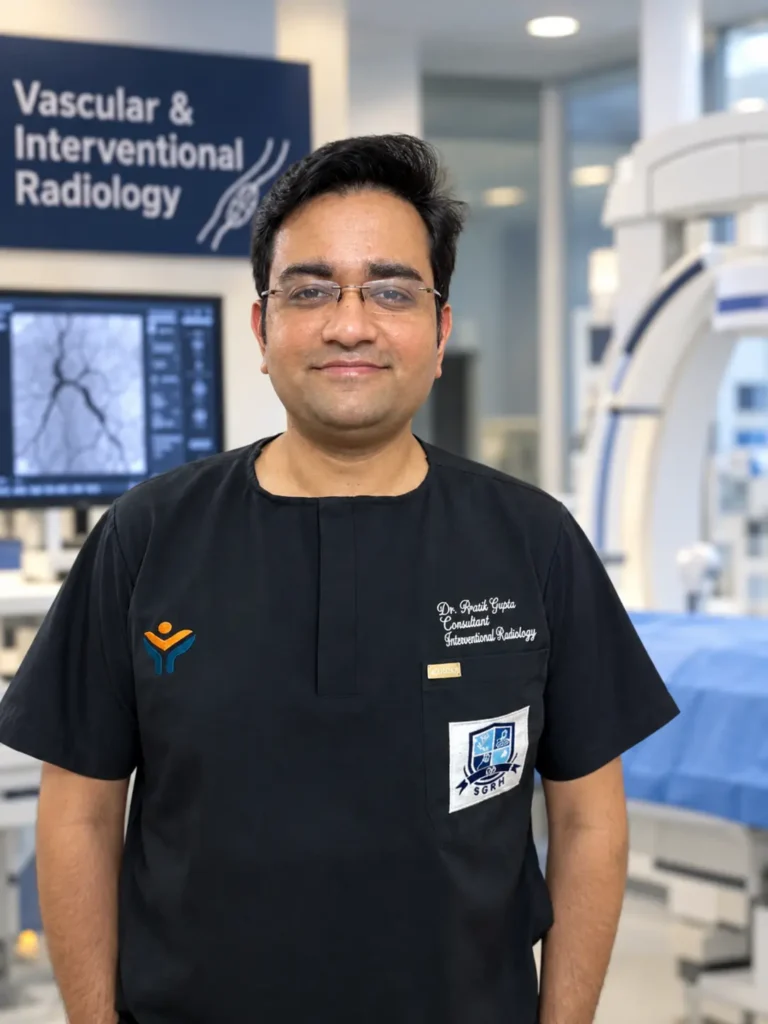
Dr. Anadi Gupta, MD, FVIR, EBIR, is a Consultant at Sir Ganga Ram Hospital with a focus on vascular and endovascular interventions.His areas of practice include varicose vein treatment using endovenous laser ablation, radiofrequency ablation, medical adhesive or glue treatment, and sclerotherapy, along with peripheral arterial interventions, DVT thrombectomy, IVC filter procedures, central venous angioplasty and stenting, and dialysis access interventions.

ADVANCED VASCULAR CARE

Experiencing Leg Pain, Swelling, or Visible Varicose Veins?

Explore suitable treatment options for varicose veins with Dr. Anadi Gupta, Consultant at Sir Ganga Ram Hospital. An assessment can help identify the cause of your symptoms and guide personalized care.

Frequently Asked Questions

Varicose Vein Treatment

Can varicose veins be treated without surgery?

Yes. Many patients can be treated with minimally invasive procedures such as EVLA, RFA, glue treatment, or sclerotherapy. The most suitable option depends on the affected veins and ultrasound findings.

The procedure is usually performed with local anesthesia around the treated vein. Patients may experience temporary tenderness, bruising, or discomfort afterward. The experience varies from person to person.

Both treatments use heat delivered through a catheter to close a diseased vein. EVLA uses laser energy, while RFA uses radiofrequency energy. The appropriate choice depends on the vein anatomy, clinical findings, and specialist recommendation.

Glue treatment uses a medical adhesive to close the affected vein. It is a minimally invasive option for selected patients and may have different aftercare requirements compared with thermal ablation.

Many patients resume routine activities relatively quickly after minimally invasive treatment. Recovery depends on the procedure, the extent of venous disease, and individual health factors. Follow your treating team's instructions.

Yes. The treated vein may remain closed, but other veins can become abnormal over time, or the condition may recur. Follow-up can help identify whether additional treatment is needed.

Seek assessment if you have persistent leg pain, swelling, skin changes, bleeding varicose veins, or a slow-healing wound. Sudden one-sided swelling or pain requires urgent evaluation for a possible blood clot.