ADVANCED VASCULAR & ENDOVASCULAR INTERVENTIONS

Varicocele Embolization

A Minimally Invasive Approach to Varicocele Treatment

Varicocele is an enlargement of the veins within the scrotum that can cause discomfort, a feeling of heaviness, and, in some men, fertility-related concerns. Varicocele embolization is a minimally invasive, image-guided procedure designed to close the affected veins and redirect blood through healthier pathways.

Dr. Anadi Gupta, MD, FVIR, EBIR

Consultant, Sir Ganga Ram Hospital

varicocele embolisation

Understanding Varicocele

What is a varicocele?

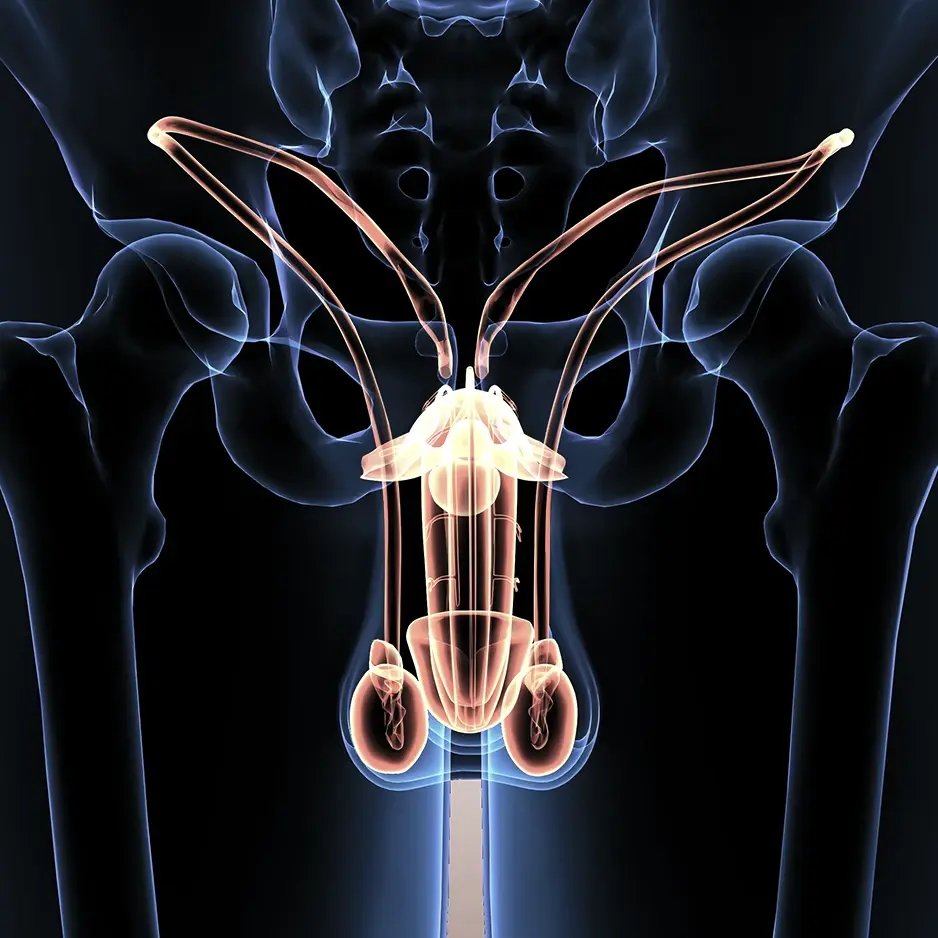
A varicocele is an enlargement of the veins that drain blood from the testicles. It develops when the valves inside these veins do not function properly, allowing blood to flow backward and collect within the veins.Varicoceles commonly occur on the left side of the scrotum, although they can affect both sides. Some men have no symptoms, while others may experience a dull ache, scrotal heaviness, or discomfort that becomes more noticeable after prolonged standing or physical activity.

Key Symptoms

What is varicocele embolization?

A Catheter-Based Treatment for Varicocele

Varicocele embolization is a minimally invasive procedure performed by an interventional specialist using image guidance. Instead of surgically tying off the affected veins, a thin catheter is guided through the blood vessels to the veins responsible for the varicocele.Once the target veins are identified, they are closed using embolic materials such as coils, a medical agent, or other suitable embolic techniques. This blocks the abnormal backward flow of blood and allows it to drain through healthier veins.
Who may benefit from varicocele embolization?

Is Varicocele Embolization Right for You?

  • Persistent scrotal discomfort or aching associated with a confirmed varicocele.
  • A feeling of heaviness that affects daily activities.
  • A clinically significant varicocele being evaluated as part of a fertility assessment.
  • A varicocele that has returned after previous treatment.
  • A preference for a catheter-based treatment after discussing suitable alternatives.

How is the procedure performed?

The Varicocele Embolization Process

Consultation and Assessment

Dr. Anadi Gupta reviews your symptoms, medical history, previous treatments, and treatment goals. Fertility-related concerns may require coordination with a urologist or fertility specialist.

Diagnostic Evaluation

A physical examination and scrotal Doppler ultrasound help confirm the varicocele and assess abnormal blood flow. Semen analysis may be recommended when fertility is a concern.

Personalized Treatment Planning

The specialist discusses embolization, surgical treatment, or observation, depending on the clinical findings and individual preferences.

Catheter Placement

Under image guidance, a thin catheter is introduced through a suitable blood vessel, commonly through a vein in the groin or neck, depending on the specialist's approach.

Identification and Embolization

Contrast imaging helps identify the veins responsible for the varicocele. Coils or other embolic materials are then used to close the targeted veins and stop abnormal backward blood flow.

Recovery and Follow-Up

After the procedure, the access site is monitored and the patient receives instructions about activity, medication, and follow-up. Further assessment may be recommended to evaluate symptom improvement or fertility-related outcomes.

  • Minimally invasive treatment performed through a small catheter access point.
  • No scrotal incision is generally required for the embolization itself.
  • May help relieve varicocele-related pain or heaviness in appropriately selected patients.
  • Often allows a relatively quick return to routine activities, depending on individual circumstances.
  • Can be considered for selected recurrent varicoceles after previous treatment.
  • Bruising, bleeding, or discomfort at the catheter access site.
  • Temporary scrotal or lower abdominal discomfort.
  • Inflammation of the treated veins.
  • Exposure to X-rays and contrast material during image-guided treatment.
  • Contrast-related reactions or kidney complications in susceptible patients.
  • Rare migration of embolic material or unintended blockage of another vessel.
1

Why consult Dr. Anadi Gupta?

Specialized Vascular & Endovascular Care

Dr. Anadi Gupta, MD, FVIR, EBIR, is a Consultant at Sir Ganga Ram Hospital with a focus on vascular and endovascular interventions.His areas of practice include varicocele embolization, varicose vein treatment, peripheral arterial disease angioplasty and stenting, DVT thrombectomy and catheter-directed thrombolysis, IVC filter insertion and retrieval, central venous angioplasty and stenting, and dialysis access interventions.

ADVANCED VASCULAR & ENDOVASCULAR CARE

Looking for a Minimally Invasive Varicocele Treatment?

Discuss your symptoms, treatment options, and fertility-related concerns with Dr. Anadi Gupta, Consultant at Sir Ganga Ram Hospital. An individual assessment can help determine whether varicocele embolization is suitable for you.

Frequently Asked Questions

Varicocele Embolization

Is varicocele embolization a surgery?

It is a minimally invasive, catheter-based procedure rather than conventional open surgery. A thin catheter is guided through a vein under imaging, and embolic materials are used to close the veins responsible for the varicocele.

The procedure is generally performed with local anesthesia at the access site. Some patients experience temporary discomfort during or after treatment, but the experience varies.

In selected men, treating a clinically significant varicocele may improve semen parameters. However, improvement varies, and pregnancy cannot be guaranteed. A fertility assessment helps determine whether treatment is appropriate.

Many patients return to routine activities relatively quickly, although the timing depends on the procedure and individual circumstances. The treating team will advise when to resume exercise and other activities.

Yes. The varicocele may persist or recur if abnormal venous flow continues or other veins become involved. Follow-up assessment can help determine whether additional treatment is needed.

Neither option is best for every patient. Embolization and surgery have different benefits, limitations, and risks. The appropriate choice depends on the clinical findings, venous anatomy, treatment history, fertility goals, and patient preferences.

Diagnosis typically involves a clinical examination and may include scrotal Doppler ultrasound to assess vein enlargement and abnormal blood flow. Further tests, such as semen analysis, may be recommended when fertility is a concern.